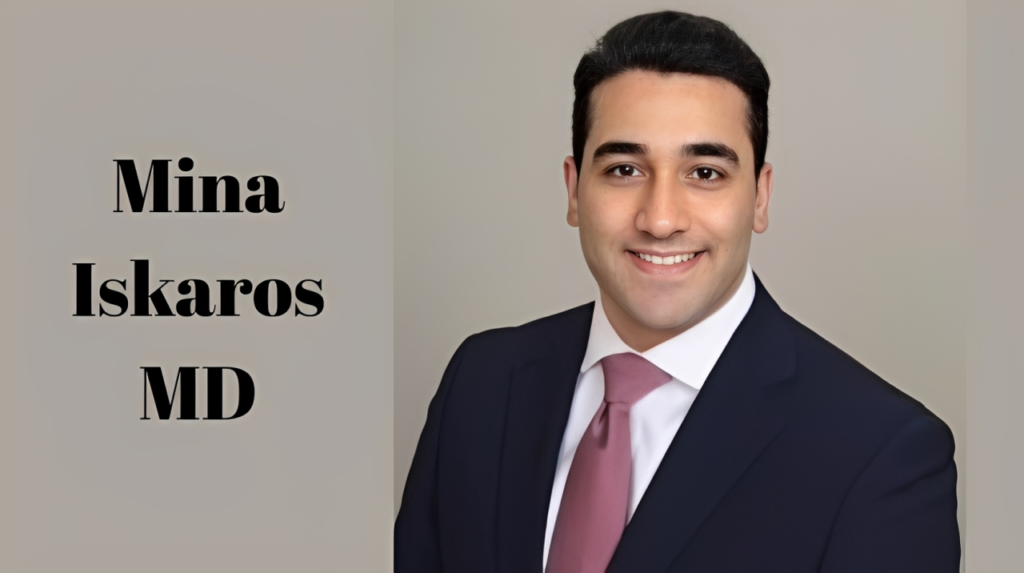

When searching for Mina Iskaros MD, patients are often looking for reliable information about a physician’s professional background, clinical expertise, education, areas of practice, or patient care philosophy. Access to accurate, verified medical information helps individuals make informed healthcare decisions and fosters trust between patients and healthcare providers.
This article explains the types of information patients commonly seek when researching physicians, the value of evidence-based healthcare, and the importance of relying on official and verified sources when evaluating medical professionals.
Why Patients Research Physicians
Selecting a physician is one of the most important healthcare decisions a person can make. Patients frequently research healthcare professionals to better understand their qualifications, experience, and practice areas before scheduling an appointment.
Common factors patients consider include:
- Medical education
- Residency and fellowship training
- Board certification
- Clinical specialties
- Hospital affiliations
- Research contributions
- Patient communication
- Office accessibility
- Insurance participation
Reliable information helps patients choose providers who best meet their healthcare needs.
The Importance of Verified Medical Credentials
Physicians complete years of rigorous education and clinical training before practicing independently.
Professional qualifications may include:
Medical School
Completion of an accredited medical degree provides the scientific and clinical foundation required for medical practice.
Residency Training
Residency programs provide supervised experience within a physician’s chosen specialty.
Board Certification
Many physicians pursue board certification to demonstrate expertise in a specific area of medicine.
Continuing Medical Education
Healthcare professionals regularly update their knowledge through ongoing education to remain current with evolving medical research and clinical guidelines.
Patient-Centered Healthcare
Modern medicine emphasizes partnership between physicians and patients.
Patient-centered care focuses on:
- Respectful communication
- Shared decision-making
- Individualized treatment plans
- Preventive care
- Evidence-based recommendations
- Long-term wellness
Strong physician-patient relationships contribute to better healthcare experiences.
Evidence-Based Clinical Practice
Healthcare decisions should be guided by the best available scientific evidence combined with clinical expertise and patient preferences.
Evidence-based medicine incorporates:
- Clinical research
- Practice guidelines
- Diagnostic testing
- Patient history
- Individual health goals
This approach supports safe and effective medical care.
What Patients Should Look for in a Physician
When evaluating any healthcare provider, patients may consider:
Communication Skills
Clear explanations help patients understand diagnoses, treatment options, and follow-up care.
Professional Experience
Experience within a physician’s specialty can be valuable when managing specific medical conditions.
Accessibility
Convenient appointment scheduling, office locations, and timely communication contribute to positive patient experiences.
Collaborative Care
Many physicians work closely with specialists, nurses, pharmacists, therapists, and other healthcare professionals to coordinate comprehensive care.
Preventive Medicine and Long-Term Health
Preventive care plays a central role in modern healthcare.
Common preventive services include:
- Routine physical examinations
- Vaccinations
- Health screenings
- Blood pressure monitoring
- Cholesterol testing
- Diabetes screening
- Lifestyle counseling
Early detection often improves treatment outcomes.
The Role of Technology in Healthcare
Medical technology continues to enhance patient care.
Innovations include:
- Electronic health records
- Telemedicine
- Digital imaging
- Advanced laboratory diagnostics
- Clinical decision support tools
- Remote patient monitoring
These technologies improve communication, efficiency, and continuity of care.
The Importance of Accurate Medical Information
Patients should rely on trusted sources when researching physicians.
Helpful sources include:
- Official clinic or hospital profiles
- State medical licensing boards
- Board certification organizations
- Peer-reviewed publications
- Reputable healthcare institutions
Using verified information reduces the risk of relying on inaccurate or outdated content.
Building Trust Between Physicians and Patients
Trust is essential for effective healthcare.
Patients often value physicians who demonstrate:
- Professionalism
- Compassion
- Transparency
- Respect
- Clinical competence
- Ethical decision-making
Open communication encourages better understanding and supports shared treatment decisions.
Questions Patients May Ask During a First Appointment
Preparing questions in advance can help patients make the most of their visit.
Examples include:
- What experience do you have treating my condition?
- What treatment options are available?
- What are the potential benefits and risks?
- Are lifestyle changes recommended?
- When should follow-up appointments be scheduled?
- What symptoms require immediate medical attention?
These discussions promote informed decision-making.
Healthcare as a Lifelong Partnership
Effective healthcare extends beyond treating illness. It also includes prevention, education, and ongoing support throughout every stage of life.
A strong partnership between patients and physicians encourages:
- Better communication
- Earlier diagnosis
- Improved treatment adherence
- Preventive health practices
- Long-term wellness
Conclusion
Searches for Mina Iskaros MD often reflect a desire to learn more about a physician’s qualifications and clinical practice. When evaluating any healthcare professional, it is essential to rely on verified, publicly available information rather than unconfirmed claims. Focusing on credential verification, evidence-based medicine, effective communication, and patient-centered care enables individuals to make informed healthcare decisions and build productive relationships with their medical providers.