
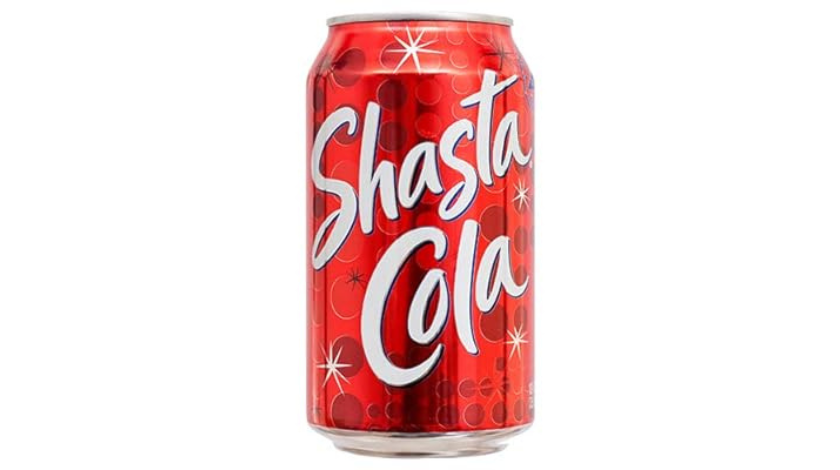

When people think about cola, two names usually dominate the conversation: Coca-Cola and Pepsi. Hidden behind those giants, however, is a brand that has quietly built a loyal following for well over a century Shasta Cola. Although it rarely receives the same marketing attention as the industry leaders, Shasta has maintained its reputation by offering reliable flavor, impressive variety, and affordable prices. Today, the brand continues to attract families, budget-conscious shoppers, and nostalgic soda lovers who appreciate getting good value without sacrificing taste.
Shasta itself traces its heritage back to 1889, making it one of America’s oldest soft drink brands. While the company originally began with mineral water, it eventually expanded into flavored sodas, including its signature cola. Modern Shasta now offers more than 30 different soft drink flavors, ranging from classic cola and root beer to unique options like California Dreamin’, Tiki Punch, and Raspberry Crème. The classic Shasta Cola remains one of its flagship beverages alongside the increasingly popular Zero Sugar Cola.
One reason Shasta Cola continues to survive in an intensely competitive beverage market is its focus on value rather than prestige. Instead of competing through celebrity endorsements or billion-dollar advertising campaigns, the brand appeals to consumers who simply want a dependable soft drink at an accessible price. That practical approach has allowed Shasta to remain relevant for generations, particularly across the western United States where many households grew up with the brand.
The History of Shasta Cola
The story of Shasta Cola begins long before the modern soda industry took shape. In 1889, the original company was established around the natural mineral springs near Mount Shasta in Northern California. The mineral water produced there gained popularity for its purity, and the company eventually expanded into carbonated beverages. Over time, the Shasta name became associated with colorful, affordable soft drinks rather than bottled spring water, laying the foundation for the brand consumers recognize today.
Throughout the twentieth century, Shasta steadily expanded its product lineup. Unlike competitors that concentrated on only a handful of beverages, Shasta embraced variety, introducing numerous fruit sodas, mixers, and specialty flavors. During the 1960s, ownership changed when Consolidated Foods acquired the company, and later the brand became part of National Beverage Corporation, which still owns it today. Under National Beverage, Shasta has remained a recognizable regional favorite while sharing corporate ownership with other beverage brands such as Faygo and LaCroix.
Shasta also developed memorable advertising campaigns that resonated with American consumers. Older generations may remember slogans like “It hasta be Shasta!”, which helped establish the brand’s playful personality. While modern advertising is less prominent, the slogan remains closely associated with the company’s identity and continues to evoke nostalgia among longtime fans.
Unlike many historic soda brands that disappeared after industry consolidation, Shasta adapted by emphasizing affordability and maintaining a remarkably diverse product catalog. That flexibility has helped it survive changing consumer preferences while preserving its distinctive identity.
Who Owns Shasta Cola Today?
Today, Shasta Cola is owned by National Beverage Corp., an American beverage company headquartered in Fort Lauderdale, Florida. National Beverage is best known for managing a diverse portfolio of soft drinks, sparkling waters, juices, and energy beverages. While many consumers recognize the company for the rapid growth of LaCroix sparkling water, Shasta continues to serve as one of its longest-standing carbonated soft drink brands. This ownership has allowed the company to benefit from a large nationwide distribution network while still maintaining the personality that has made the brand popular for generations. Rather than attempting to compete directly with premium soda brands through expensive advertising campaigns, National Beverage has consistently positioned Shasta as a high-value product that delivers familiar flavors at affordable prices.
This strategy has proven surprisingly resilient. As grocery prices continue to fluctuate, many shoppers are looking for dependable alternatives that provide good taste without premium pricing. Shasta fits naturally into that space. Retailers often stock the brand in supermarkets, discount chains, warehouse clubs, convenience stores, and regional grocery stores, particularly throughout the western United States. The company’s emphasis on value also extends to multipack offerings, making Shasta an attractive option for large families, parties, school events, and community gatherings. While Coca-Cola and Pepsi dominate television commercials and sponsorships, Shasta quietly maintains its customer base through consistent quality, broad flavor selection, and competitive pricing.
National Beverage also continues to refresh the brand by introducing sugar-free options and seasonal promotions while preserving the classic formulas that longtime fans enjoy. This careful balance between tradition and innovation has allowed Shasta Cola to remain relevant in an increasingly competitive beverage market.
What Does Shasta Cola Taste Like?
Taste is naturally one of the biggest questions consumers ask before trying any cola. Shasta Cola delivers a flavor profile that most people would immediately recognize as a traditional American cola, but it also has its own subtle identity. The beverage opens with a pleasant caramel sweetness followed by mild citrus notes and a light vanilla finish. Compared with some premium competitors, many drinkers describe Shasta as having a smoother and slightly less aggressive carbonation level, making it easy to drink over longer periods. The sweetness is noticeable without becoming overwhelming, and the finish leaves a clean aftertaste that appeals to fans of classic soft drinks.
Many consumers naturally compare Shasta with Coca-Cola and Pepsi. While Coca-Cola tends to emphasize bold caramel complexity and Pepsi leans toward a sweeter citrus-forward profile, Shasta sits comfortably between those two extremes. It may not possess the instantly recognizable signature flavor of the market leaders, but blind taste tests have shown that many casual soda drinkers find Shasta surprisingly enjoyable, particularly when served ice cold. Since flavor preferences are highly personal, some consumers even prefer Shasta because it feels lighter and less syrupy than competing brands.
The experience also depends on packaging. Many enthusiasts argue that Shasta tastes best directly from chilled aluminum cans, where carbonation remains crisp and consistent. Plastic bottles provide convenience but may lose carbonation more quickly after opening. Regardless of packaging, serving the beverage at refrigerator temperature significantly improves the drinking experience by enhancing carbonation while balancing sweetness.
| Feature | Shasta Cola | Coca-Cola | Pepsi |
|---|---|---|---|
| Sweetness | Moderate | Medium | Higher |
| Carbonation | Medium | High | High |
| Vanilla Notes | Mild | Moderate | Mild |
| Citrus Flavor | Light | Light | More Noticeable |
| Overall Value | Excellent | Premium | Premium |
Ingredients and Nutrition
Like most traditional colas, Shasta Cola is formulated using carbonated water, sweeteners, caramel coloring, phosphoric acid, natural flavors, caffeine, and preservatives designed to maintain freshness throughout distribution. Although ingredient lists may vary slightly depending on production facilities and regional regulations, the overall formula remains consistent across most markets. Consumers looking for a familiar cola experience will find that Shasta delivers the expected combination of sweetness, acidity, and carbonation that defines the category.
Nutritionally, regular Shasta Cola should be enjoyed in moderation, much like any sugar-sweetened soft drink. A standard serving contains calories derived primarily from added sugars along with a moderate amount of caffeine. The beverage contains virtually no fat or protein, making carbohydrates the primary nutritional component. Consumers monitoring sugar intake should always review the Nutrition Facts label because serving sizes can vary depending on whether the product is packaged in cans, bottles, or fountain dispensers.
Recognizing growing consumer demand for reduced-sugar beverages, Shasta also offers Zero Sugar Cola. This version replaces traditional sugar with non-caloric sweeteners while preserving a flavor profile intended to resemble the original. Many consumers appreciate the option because it allows them to enjoy the familiar cola taste while reducing calorie consumption. Although opinions vary regarding artificial sweeteners, the availability of both regular and zero-sugar varieties gives consumers greater flexibility based on their dietary preferences and health goals.
Health-conscious consumers should remember that even sugar-free soft drinks are best consumed as part of a balanced diet. Water remains the healthiest hydration choice, while soft drinks including Shasta can be enjoyed occasionally as a refreshing treat rather than a primary beverage.
Available Sizes and Packaging
One of the practical strengths of Shasta Cola is its broad availability in multiple package sizes. Consumers can commonly find individual cans for convenience, twelve-pack cartons for everyday household use, and larger multipacks designed for parties or family gatherings. Plastic bottles are also widely available in several sizes, making them ideal for travel, picnics, sporting events, and outdoor activities. Regional distributors sometimes offer exclusive packaging configurations depending on retailer demand, allowing stores to tailor inventory to local shopping habits.
Packaging plays an important role in preserving freshness. Aluminum cans provide excellent protection against light and oxygen while maintaining carbonation for extended periods. Plastic bottles offer portability and resealability, making them convenient for consumers who prefer drinking soda over several hours. Restaurants, cafeterias, and vending operators may also serve Shasta through fountain systems, where syrup and carbonated water are mixed at the point of dispensing. While fountain quality depends heavily on equipment maintenance, many consumers enjoy the freshly carbonated taste available through these systems.
Availability varies by region. Shasta maintains its strongest retail presence throughout the western United States but can also be found in many grocery chains nationwide. Online retailers have further expanded accessibility, allowing consumers outside traditional distribution areas to purchase multipacks for home delivery. This broader reach has helped introduce the classic brand to younger consumers who may never have encountered it in local stores.
Why Consumers Still Buy Shasta Cola
Despite competing against two of the most recognizable beverage companies in the world, Shasta Cola continues to maintain a dedicated customer base. One of the primary reasons is simple: value for money. As grocery prices have increased over the past several years, many shoppers have become more selective about everyday purchases. Soft drinks are often viewed as a discretionary expense, so finding a product that delivers satisfying taste at a lower price has become increasingly attractive. Shasta has built its reputation around offering a quality cola experience without the premium price tag attached to larger global brands. For families purchasing beverages in bulk, this difference can result in noticeable savings over time.
Another reason for the brand’s longevity is nostalgia. Many Americans grew up drinking Shasta at birthday parties, school picnics, sporting events, family barbecues, and neighborhood gatherings. Those positive memories create a lasting emotional connection that extends well into adulthood. Consumers often associate the familiar can designs and classic flavors with simpler times, making Shasta more than just another soda on the shelf. This emotional appeal is something that cannot easily be replicated through advertising alone.
The brand’s impressive flavor variety also plays a significant role in retaining customers. While the flagship cola remains popular, Shasta offers dozens of additional flavors that encourage shoppers to experiment beyond traditional soft drinks. Orange, grape, cream soda, root beer, lemon-lime, black cherry, tiki punch, and several other varieties allow consumers to purchase mixed packs that appeal to different tastes within the same household. This extensive selection helps distinguish Shasta from competitors that focus primarily on only a handful of flagship beverages.
Retail availability has also contributed to Shasta’s continued success. Although it is especially well known in the western United States, consumers can increasingly find the brand through national retailers, warehouse clubs, discount stores, and online marketplaces. E-commerce has expanded access to regions where Shasta was once difficult to obtain, allowing longtime fans to continue purchasing their favorite soda regardless of location.
Perhaps most importantly, Shasta has remained true to its identity. Instead of chasing every beverage trend or dramatically changing its recipes, the company has focused on consistency. Customers know what to expect when they open a can of Shasta Cola a familiar taste, dependable quality, and excellent value. In an industry where products are constantly reformulated or discontinued, that reliability is one of the brand’s greatest strengths.
Is Shasta Cola Worth Buying in 2026?
Whether Shasta Cola is worth buying ultimately depends on what you value most in a soft drink. If your priority is drinking the exact flavor profile associated with Coca-Cola or Pepsi, Shasta offers a different interpretation rather than a direct replacement. However, if you’re looking for an enjoyable cola with solid taste, broad availability, and competitive pricing, it represents one of the strongest value options currently available.
For budget-conscious households, Shasta provides a practical alternative that allows families to purchase larger quantities without significantly increasing grocery expenses. Students, offices, community organizations, and event planners also benefit from the lower cost when buying beverages in bulk. The money saved can often be redirected toward other food or entertainment purchases without sacrificing the enjoyment of serving soft drinks.
Health-conscious consumers may appreciate the availability of Zero Sugar Shasta Cola, which provides a lower-calorie option while maintaining much of the familiar cola flavor. Although water should remain the primary beverage for daily hydration, sugar-free alternatives allow consumers to enjoy an occasional soft drink while limiting added sugar intake. The availability of both regular and zero-sugar varieties demonstrates the company’s effort to adapt to changing consumer preferences.
Another factor worth considering is the brand’s consistency. Over decades of production, Shasta has maintained dependable quality despite changes in ownership, distribution, and market conditions. That consistency builds consumer confidence and encourages repeat purchases. While premium brands continue investing heavily in global marketing campaigns, Shasta has quietly focused on delivering a product that meets everyday expectations without unnecessary complexity.
For anyone who has never tried Shasta Cola, purchasing a single can or small multipack can be an enjoyable way to experience one of America’s longest-running soda brands. Many first-time drinkers are pleasantly surprised by the balanced flavor and often discover that the difference between Shasta and more expensive competitors is much smaller than expected.
Conclusion
Shasta Cola has earned its place as one of America’s most enduring soft drink brands through a combination of affordability, consistency, and variety. From its origins near Mount Shasta in the late nineteenth century to its current role within National Beverage Corporation, the brand has continually adapted to changing consumer preferences while preserving the qualities that made it popular in the first place. Rather than competing through massive advertising budgets, Shasta has built customer loyalty by delivering dependable quality at a price that appeals to value-conscious shoppers.
Its classic cola flavor strikes a comfortable balance between sweetness, carbonation, and smooth drinkability, while the broader Shasta lineup offers an impressive range of choices for consumers seeking something beyond traditional cola. The addition of zero-sugar options demonstrates that the company continues to evolve alongside modern dietary preferences without abandoning its heritage.
Whether you’re rediscovering a childhood favorite or trying it for the first time, Shasta Cola represents more than simply another soft drink. It reflects the enduring appeal of brands that prioritize accessibility, consistency, and customer satisfaction over flashy marketing campaigns. In a marketplace dominated by multinational giants, Shasta continues to prove that quality and value remain a winning combination.
Frequently Asked Questions (FAQs)
1. Is Shasta Cola still being made?
Yes. Shasta Cola is still in production and is widely distributed throughout the United States under National Beverage Corp.
2. Does Shasta Cola contain caffeine?
Yes. The regular version contains caffeine, while caffeine content may vary depending on the specific product. Always check the product label for the most accurate nutritional information.
3. Is there a sugar-free version of Shasta Cola?
Yes. Shasta Zero Sugar Cola is available for consumers who want the classic cola flavor with little or no sugar and fewer calories.
4. Where can I buy Shasta Cola?
Shasta Cola is sold at many supermarkets, discount retailers, warehouse clubs, convenience stores, and through various online retailers, though availability varies by region.
5. How does Shasta Cola compare to Coca-Cola and Pepsi?
Shasta Cola offers a smooth, classic cola flavor with excellent value. While its taste differs slightly from Coca-Cola and Pepsi, many consumers appreciate it as an affordable and satisfying alternative.