
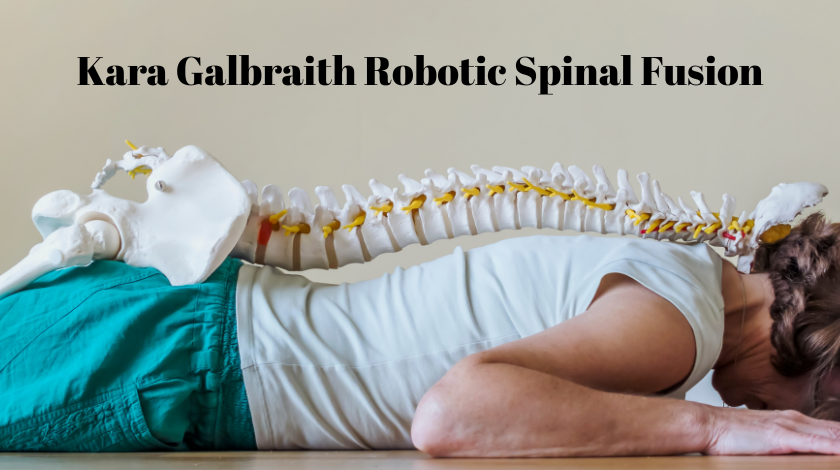

Robotic spinal fusion represents one of the most significant advancements in modern spine surgery, combining advanced robotics, computer-assisted navigation, and precise surgical techniques to improve outcomes for patients with complex spinal conditions. The work associated with Kara Galbraith and robotic spinal fusion reflects the growing importance of technology-driven approaches in improving spinal procedures and patient care.
Spinal fusion surgery has traditionally required highly specialized surgical skill, detailed anatomical knowledge, and careful planning. With the introduction of robotic assistance, surgeons can now achieve greater accuracy, enhanced visualization, and improved control during delicate spinal operations.
The evolution of robotic spinal fusion demonstrates how innovation continues to transform orthopedic and neurosurgical practices. By integrating advanced imaging, artificial intelligence-assisted planning, and robotic guidance systems, modern spine surgery has become more predictable and personalized.
What Is Robotic Spinal Fusion?
Robotic spinal fusion is an advanced surgical technique that uses robotic platforms and computer navigation technology to assist surgeons during spinal stabilization procedures. The goal of spinal fusion is to join two or more vertebrae together to reduce pain, correct deformities, and restore stability in the spine.
During traditional spinal fusion surgery, surgeons rely primarily on preoperative imaging and their own expertise to position implants such as screws and rods. Robotic-assisted techniques provide additional guidance by creating a detailed surgical plan and helping place implants with exceptional precision.
The robotic system does not replace the surgeon. Instead, it functions as an advanced assistance tool that enhances surgical accuracy and allows surgeons to perform procedures with improved confidence.
The Role of Robotics in Modern Spine Surgery
The introduction of robotics has changed how complex spinal procedures are planned and performed. Modern robotic systems combine multiple technologies, including:
- Three-dimensional imaging
- Computer-assisted navigation
- Real-time surgical guidance
- Precision robotic instrumentation
- Advanced preoperative planning software
These technologies allow surgeons to analyze the patient’s unique spinal structure before surgery begins. Every spine has different anatomical characteristics, and personalized planning helps create a procedure designed specifically for each patient.
Robotic assistance is particularly valuable in complex cases involving spinal deformities, previous surgeries, degenerative conditions, or challenging anatomical structures.
How Robotic Spinal Fusion Surgery Works
A robotic spinal fusion procedure typically involves several important stages.
Preoperative Planning
Before surgery, detailed imaging studies are used to create a three-dimensional model of the patient’s spine. Surgeons review this information to determine the optimal placement of spinal implants.
This planning stage helps identify the safest pathways for screws and other surgical components while reducing uncertainty during the operation.
Robotic Guidance During Surgery
During the procedure, the robotic system provides guidance based on the surgical plan. The surgeon uses the robotic platform to help position instruments and implants accurately.
The technology assists with:
- Precise screw placement
- Improved alignment
- Reduced risk of positioning errors
- Enhanced surgical efficiency
The surgeon maintains full control throughout the procedure while benefiting from robotic accuracy.
Fusion and Stabilization
After implants are placed, bone graft material is used to encourage the vertebrae to fuse together. Over time, the treated section becomes a stable structure designed to reduce movement and relieve symptoms.
Benefits of Robotic Spinal Fusion
Robotic-assisted spinal fusion offers several potential advantages compared with traditional approaches.
Greater Surgical Precision
One of the primary benefits of robotic technology is increased accuracy. The spine contains delicate nerves and important structures, making precise implant placement essential.
Improved accuracy may help surgeons achieve better alignment and reduce complications associated with implant positioning.
Enhanced Patient Safety
Robotic navigation provides surgeons with detailed anatomical information throughout the operation. This additional guidance can improve decision-making and help avoid unnecessary tissue disruption.
Potentially Faster Recovery
Because robotic-assisted procedures may allow for more targeted surgical approaches, some patients may experience reduced tissue damage and improved recovery experiences.
Recovery depends on many factors, including the patient’s overall health, the complexity of the procedure, and adherence to postoperative care instructions.
Improved Surgical Planning
Every patient’s spine is different. Robotic systems allow surgeons to create customized surgical strategies based on individual anatomy rather than relying only on general approaches.
Conditions Treated With Robotic Spinal Fusion
Robotic spinal fusion may be considered for various spinal disorders, including:
Degenerative Disc Disease
Degenerative changes in spinal discs can cause pain, instability, and reduced mobility. Fusion may help stabilize affected spinal segments.
Spinal Stenosis
Spinal stenosis occurs when spaces within the spine become narrowed, potentially placing pressure on nerves. In certain cases, fusion may be combined with decompression procedures.
Scoliosis and Spinal Deformities
Complex spinal deformities often require highly accurate correction. Robotic assistance can support surgeons during these challenging procedures.
Spondylolisthesis
This condition occurs when one vertebra shifts relative to another. Fusion can help restore stability and prevent further movement.
Previous Failed Spine Surgery
Some patients require revision procedures after earlier operations. Robotic planning can be especially helpful when normal anatomy has been altered by previous surgery.
Kara Galbraith’s Connection to Robotic Spinal Fusion
Interest in Kara Galbraith robotic spinal fusion highlights the increasing attention given to specialists, researchers, and healthcare professionals involved in advancing spinal technology.
Professionals associated with innovative surgical methods contribute to the broader development of safer, more efficient, and more patient-centered approaches to spine care.
The continued advancement of robotic spinal procedures depends on collaboration between surgeons, engineers, researchers, and medical technology developers. Together, these fields help create solutions that improve precision and expand treatment possibilities.
The Future of Robotic Spine Surgery
The future of robotic spinal fusion continues to evolve as technology becomes more advanced. Emerging developments include improved artificial intelligence systems, enhanced imaging capabilities, and more sophisticated surgical planning tools.
Future robotic platforms may provide even greater assistance through:
- Machine learning-based surgical recommendations
- Improved anatomical modeling
- Real-time data analysis
- More minimally invasive techniques
- Greater personalization of treatment plans
These developments could further improve surgical accuracy and patient outcomes.
Robotic Spinal Fusion Compared With Traditional Fusion Surgery
Traditional spinal fusion remains an effective procedure performed by experienced surgeons worldwide. However, robotic assistance adds additional technological support.
Key differences include:
| Traditional Fusion | Robotic-Assisted Fusion |
|---|---|
| Relies primarily on surgeon visualization and imaging | Uses advanced navigation and robotic guidance |
| Implant placement depends heavily on manual technique | Provides additional precision support |
| Planning may be less digitally customized | Allows detailed 3D surgical planning |
| Limited intraoperative navigation | Real-time technological assistance |
Both approaches require skilled surgeons, careful patient selection, and comprehensive postoperative care.
Recovery After Robotic Spinal Fusion
Recovery after robotic spinal fusion varies depending on the procedure, patient health, and individual healing ability.
Patients are typically guided through several recovery stages:
Early Recovery
Initial recovery focuses on pain management, wound care, and safe movement. Patients may receive instructions regarding activity restrictions and physical therapy.
Rehabilitation
Physical therapy often plays an important role in rebuilding strength, improving mobility, and supporting long-term spinal health.
Long-Term Outcomes
Successful fusion can provide improved stability and reduced symptoms for appropriately selected patients. Maintaining healthy habits, following medical recommendations, and protecting spinal health remain important after surgery.
Conclusion: The Growing Importance of Robotic Spinal Fusion
Kara Galbraith robotic spinal fusion represents the broader movement toward technology-enhanced spine surgery. Robotic-assisted procedures demonstrate how innovation can improve precision, surgical planning, and patient care.
As medical technology continues to advance, robotic spinal fusion is expected to play an increasingly important role in modern orthopedic and neurosurgical treatment. By combining surgeon expertise with advanced robotics, healthcare providers can continue developing safer, more accurate, and more personalized solutions for patients with complex spinal conditions.
The future of spine surgery will continue to be shaped by collaboration between medical professionals, technological innovators, and researchers dedicated to improving outcomes and quality of life for patients worldwide.