
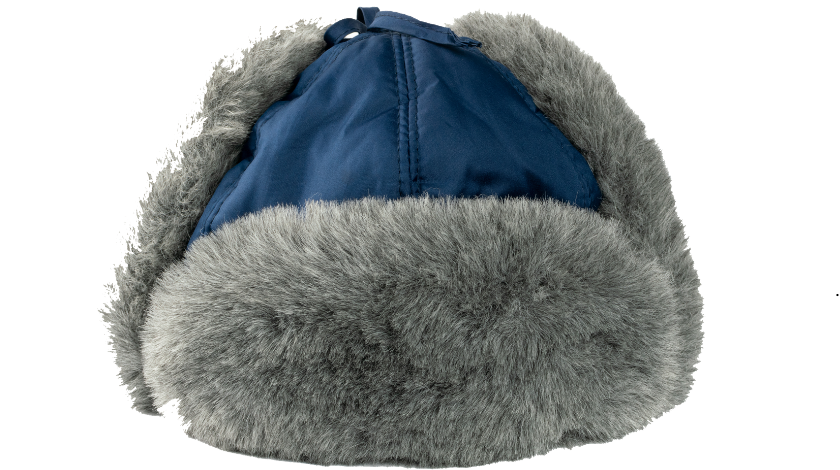

The term RN43476 Ushanka has recently attracted attention among online shoppers searching for winter apparel. At first glance, the phrase may seem like a specific product name, but it actually combines two different identifiers. The first part, RN43476, resembles a Registered Identification Number commonly found on garment labels in North America. The second part, ushanka, refers to one of the world’s most recognizable winter hats. When these two terms appear together, consumers are often trying to identify the manufacturer, origin, or style of a specific ushanka hat they have found online or in a retail store.
Winter fashion is filled with trends that appear briefly and disappear just as quickly. The ushanka is different. It has survived wars, changing fashion cycles, technological innovation, and evolving outdoor lifestyles. Much like a classic leather jacket or a timeless pair of boots, the ushanka has remained relevant because it combines practicality with distinctive style. People who wear one are not simply protecting themselves from cold weather; they are embracing a piece of cultural history that has evolved into a global fashion statement.
Today’s ushankas are available in countless variations. Some are designed for extreme outdoor conditions, while others focus primarily on urban fashion. The appearance of RN numbers such as RN43476 on labels often causes confusion, leading buyers to search for information about authenticity, manufacturing details, and product origins. Understanding both the label and the hat itself provides valuable context when making a purchase.
What Is an Ushanka?
Origins of the Ushanka
The ushanka is a traditional fur hat distinguished by its large ear flaps, which can be tied under the chin, secured at the top of the head, or fastened behind the neck. The word “ushanka” comes from the Russian word “ushi,” meaning ears. This naming convention perfectly captures the hat’s defining purpose: protecting the ears and head from severe winter temperatures. Historical records indicate that ushanka-style hats evolved from earlier fur headwear used throughout northern Eurasia and became widely recognized in Russia during the early twentieth century.
What makes the ushanka remarkable is its simplicity. Unlike highly engineered winter gear loaded with modern technology, the ushanka relies on an intuitive design that has remained effective for generations. The ear flaps create a protective barrier against freezing winds, while the insulated crown traps body heat. This straightforward approach helped make the hat a standard winter accessory in regions known for brutal cold.
The hat eventually became associated with military uniforms, government agencies, explorers, and outdoor workers. Over time, its practical benefits helped it spread beyond Eastern Europe into North America, Scandinavia, and many other cold-weather regions. Today, the ushanka is recognized worldwide as a symbol of winter resilience and rugged style.
How the Design Evolved
Although traditional ushankas were crafted from natural fur, modern versions utilize a wide range of materials. Advances in textile manufacturing have introduced synthetic insulation, waterproof fabrics, and lightweight construction methods that enhance comfort while reducing cost. Many contemporary ushankas maintain the classic silhouette while incorporating performance-oriented features designed for skiing, snowboarding, hiking, and other outdoor activities.
Manufacturers have also experimented with aesthetics. Today’s market includes minimalist urban designs, military reproductions, luxury fur models, and technical outdoor variants. This diversity has expanded the hat’s appeal far beyond its historical roots. Whether someone wants a practical winter accessory or a fashion statement, there is likely an ushanka tailored to their needs.
Decoding the RN43476 Label
What RN Numbers Mean
One of the most misunderstood elements of clothing labels is the RN number. In the United States, RN stands for Registered Identification Number. These identifiers are issued to businesses involved in the manufacture, importation, distribution, or sale of textile products. Rather than indicating a product model, an RN number identifies the company responsible for the garment.
Consumers often encounter RN numbers on clothing tags and assume they represent a style code or product series. In reality, they function more like a manufacturer identification system. Searching an RN number can sometimes reveal information about the company behind a particular item, helping buyers verify authenticity and learn more about production origins.
This distinction matters because many online searches for “RN43476 Ushanka” are likely attempts to identify a specific hat found in a closet, thrift store, military surplus shop, or online marketplace. The RN number itself does not describe the hat’s features. Instead, it points toward the company associated with the garment.
Why RN43476 Appears on Clothing
Garment labels serve several purposes. They provide information about materials, care instructions, country of origin, and manufacturer identification. RN43476 is likely one of these identifiers. Its appearance on an ushanka does not necessarily indicate rarity, military origin, or collector value. Instead, it functions as a traceable reference connected to the company responsible for the product.
For collectors, however, RN numbers can still be useful. Vintage clothing enthusiasts often use them to estimate production periods, identify manufacturers, and authenticate garments. When combined with material composition, design characteristics, and production details, an RN number can help establish a more complete picture of a hat’s history.
Key Features of a Modern Ushanka
Ear Flaps and Cold Protection
The defining characteristic of any ushanka is its ear flaps. These flaps provide targeted protection for some of the body’s most vulnerable areas during cold weather exposure. When temperatures drop and wind speeds increase, ears are among the first body parts to lose heat. The ushanka addresses this problem directly by creating an insulated shield around the head and face.
Modern designs allow wearers to position the flaps according to conditions. During moderate weather, they can be secured above the head. In severe cold, they can be tied beneath the chin for maximum coverage. This adaptability contributes significantly to the hat’s enduring popularity.
Materials Used in Construction
| Material | Benefits | Typical Use |
|---|---|---|
| Faux Fur | Affordable, animal-free, lightweight | Everyday wear |
| Sheepskin | Excellent insulation, durability | Extreme cold |
| Polyester | Water resistance, low maintenance | Outdoor activities |
| Wool Blends | Natural warmth, breathability | Casual winter wear |
Many current ushanka products utilize polyester shells combined with fleece linings and faux fur trim. These materials help balance warmth, comfort, and affordability. Premium models continue to use genuine sheepskin and mouton fur for exceptional thermal performance.
Waterproof and Windproof Innovations
Modern consumers expect winter apparel to perform under challenging conditions. As a result, many ushankas now feature water-resistant outer shells, moisture-wicking linings, and windproof construction. These innovations make the hat suitable for skiing, hiking, hunting, and other outdoor pursuits where exposure to snow and rain is common.
Types of RN43476 Ushanka Hats
Faux Fur Ushankas
Faux fur ushankas dominate today’s market because they offer warmth, affordability, and ethical appeal. Advances in synthetic textiles have significantly improved texture and insulation performance. Modern faux fur often resembles natural fur so closely that casual observers struggle to distinguish between the two.
Sheepskin Ushankas
Sheepskin ushankas represent the premium end of the market. Genuine mouton sheepskin provides exceptional insulation and durability. Many military-inspired versions continue to use sheepskin because of its proven performance in harsh climates. Current commercial listings show strong demand for genuine sheepskin models among outdoor enthusiasts.
Military-Style Ushankas
Military-style ushankas remain highly sought after by collectors and fashion enthusiasts. These versions often feature insignia, darker color palettes, and designs inspired by historical military uniforms. Their appeal extends beyond functionality, reflecting cultural and historical associations that have become iconic over the decades.
Why Ushankas Remain Popular
Function Meets Fashion
Few winter accessories balance practicality and visual impact as effectively as the ushanka. Most winter hats prioritize either performance or style. The ushanka manages to deliver both. Its unique silhouette immediately stands out, while its construction provides genuine protection against harsh weather.
Fashion trends often cycle unpredictably, yet the ushanka consistently reappears in designer collections and streetwear culture. Its adaptability allows it to complement everything from technical outdoor clothing to luxury winter fashion. This versatility has contributed significantly to its longevity.
Celebrity and Cultural Influence
The ushanka’s visibility in films, television, music videos, and social media has expanded its audience. Pop culture has transformed the hat from a regional winter necessity into a globally recognized symbol. Its association with adventure, resilience, and distinctive style continues attracting new generations of wearers.
Choosing the Right Ushanka
Sizing Guide
Selecting the correct size is essential. An oversized ushanka may shift during movement, while an undersized one can become uncomfortable during extended wear. Most manufacturers provide circumference-based sizing charts that allow consumers to match measurements accurately.
Climate Considerations
Different climates require different levels of insulation. Someone facing mild winter conditions may find a lightweight faux fur model sufficient. Those living in regions with severe cold should consider sheepskin or heavily insulated versions designed specifically for subzero temperatures.
Caring for an Ushanka
Proper maintenance extends the life of any ushanka. Faux fur models typically require gentle cleaning and air drying. Genuine fur versions demand greater care, including specialized cleaning methods and proper storage. Avoiding excessive moisture and direct heat exposure helps preserve both appearance and performance.
Storage is equally important. Ushankas should be kept in cool, dry environments with adequate airflow. Crushing or compressing the hat for extended periods can damage its shape and insulation properties.
Comparing Ushankas to Other Winter Hats
| Feature | Ushanka | Beanie | Trapper Hat |
| Ear Protection | Excellent | Limited | Excellent |
| Wind Resistance | High | Moderate | High |
| Style Impact | Distinctive | Minimal | Moderate |
| Extreme Cold Performance | Excellent | Moderate | Very Good |
The table highlights why the ushanka remains one of the most effective winter headwear options available. Its combination of warmth, coverage, and versatility continues to outperform many alternatives in severe weather conditions.
Buying Guide for 2026
Consumers shopping for an RN43476 ushanka or any ushanka-style hat should focus on material quality, insulation performance, fit, and intended use. Product listings in 2026 show quality faux fur ushankas commonly priced around $35, while genuine sheepskin models often range from $80 to $100 or more depending on construction and origin.
When evaluating options, consider:
- Material composition
- Climate suitability
- Water resistance
- Ear flap functionality
- Manufacturer reputation
- Care requirements
A well-chosen ushanka can provide years of reliable service while maintaining its distinctive appearance.
Conclusion
The RN43476 Ushanka search term combines a garment identification number with one of the most iconic winter hats ever created. While RN43476 itself likely identifies a manufacturer rather than a specific product model, the ushanka remains a timeless symbol of cold-weather protection and enduring style. Its evolution from practical winter headwear to global fashion staple demonstrates the power of effective design. Whether constructed from faux fur, sheepskin, or modern technical fabrics, the ushanka continues proving that sometimes the simplest solutions are also the most enduring.
FAQs
1. What does RN43476 mean on an ushanka hat?
RN43476 is likely a Registered Identification Number used to identify the company responsible for manufacturing or distributing the garment.
2. Is an ushanka warmer than a beanie?
Yes. Ushankas generally provide superior insulation because they cover the ears, neck, and portions of the face.
3. Are modern ushankas made from real fur?
Some are made from genuine fur or sheepskin, while many modern versions use high-quality synthetic materials.
4. Can an ushanka be worn in wet weather?
Many modern ushankas feature water-resistant materials, making them suitable for snow and light rain.
5. Why are ushankas still popular today?
Their combination of warmth, functionality, cultural significance, and distinctive style keeps them relevant across generations.