
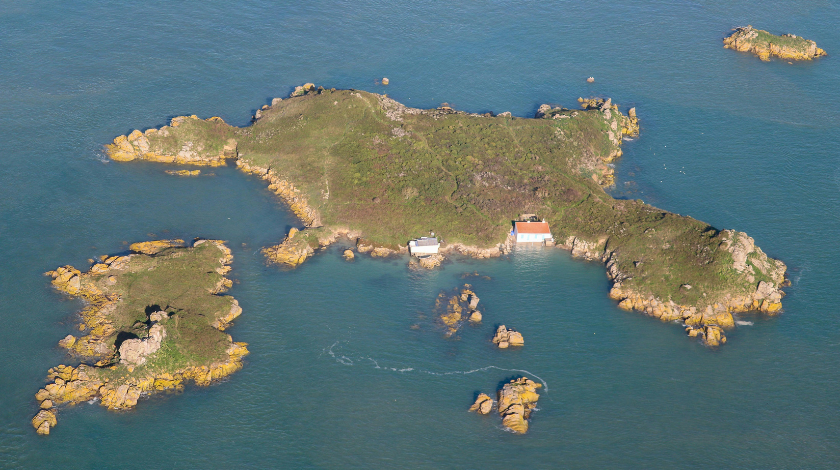

Few places on the East Coast generate as much curiosity as Plum Island, located just off Orient Point in the Town of Southold, New York (ZIP Code 11957). Although it lies only a short distance from Long Island’s North Fork, the island has remained inaccessible to the public for decades, giving rise to countless stories, documentaries, novels, and conspiracy theories. Behind the mystery, however, lies a fascinating blend of military history, groundbreaking veterinary science, remarkable wildlife, and ongoing conservation efforts.
Unlike many tourist destinations in Suffolk County, Plum Island is known more for what people cannot do than what they can. Visitors cannot simply board a ferry and explore its beaches or forests. Instead, the island is viewed from surrounding waters, beaches, and ferries traveling near Orient Point. Its restricted status has inadvertently preserved hundreds of acres of coastal habitat that support migratory birds, seals, and rare plant communities. Conservation organizations consider the island one of the most ecologically valuable undeveloped coastal landscapes in the northeastern United States.
Where Is Plum Island Located?
Plum Island sits approximately 1.5 miles off Orient Point at the eastern tip of Long Island’s North Fork in Suffolk County. Covering roughly 840 acres, the island stretches about three miles long and one mile wide, surrounded by the waters of Long Island Sound, Gardiners Bay, and Block Island Sound. Its strategic location made it attractive first for coastal defense and later for scientific research, as the surrounding water created a natural barrier that helped isolate sensitive activities.
Geography and Size
The island’s landscape is surprisingly diverse. Sandy beaches, maritime forests, freshwater wetlands, bluffs, grasslands, and tidal marshes all exist within a relatively compact area. Because development has been tightly controlled for decades, these ecosystems remain largely intact compared with many other coastal areas around New York.
The isolation has also benefited wildlife. Harbor seals frequently gather on nearby rocks during colder months, while migratory birds use the island as an important stopover along the Atlantic Flyway. Ecologists often point to Plum Island as an example of how restricted human activity can unintentionally create thriving natural habitats.
Relationship to Southold
Administratively, Plum Island belongs to the Town of Southold, despite being federally controlled for most of its modern history. Residents of Southold and visitors to nearby Orient Point often catch clear views of the island, especially from beaches and the Cross Sound Ferry route. Even though it shares the 11957 ZIP Code area, the island functions separately from the surrounding communities because of federal ownership and security restrictions.
The History of Plum Island
The story of Plum Island spans centuries, beginning long before European settlement. Indigenous peoples, including Algonquian-speaking communities, knew the island well and used surrounding waters for fishing and seasonal travel. As colonial settlement expanded across Long Island, Plum Island gradually became strategically important due to its location near the entrance to Long Island Sound.
Fort Terry Era
By the late nineteenth century, the U.S. Army established Fort Terry to defend New York Harbor and nearby shipping routes. Massive artillery batteries, military buildings, and support infrastructure transformed the island into a significant coastal defense installation. During both World Wars, military operations continued, although advances in military technology eventually reduced the importance of fixed coastal forts.
Many historic military structures still stand today, including bunkers, officers’ quarters, and support buildings. Preservation groups have expressed interest in protecting these landmarks because they represent an important chapter in American coastal defense history.
The Animal Disease Research Center
In 1954, the federal government established the Plum Island Animal Disease Center (PIADC). The facility focused on studying foreign animal diseases that could threaten American agriculture, particularly foot-and-mouth disease. The island’s natural isolation made it an ideal location for high-security veterinary research.
Over recent years, the federal government has gradually transferred much of this research mission to the National Bio and Agro-Defense Facility in Manhattan, Kansas. That transition has fueled renewed discussions about the island’s future, with conservation organizations advocating permanent ecological protection.
Why Plum Island Became Famous
Plum Island occupies a unique place in American public imagination because it combines genuine scientific importance with decades of limited public access. Whenever a location is largely off-limits, curiosity naturally fills the gaps left by incomplete information. While the island was established for legitimate federal research into foreign animal diseases affecting livestock, its restricted status and the presence of high-security laboratories encouraged speculation that extended far beyond reality. Books, television programs, podcasts, and internet discussions often portrayed Plum Island as a place where secret experiments were conducted. Although these stories captured public attention, government reports and scientific publications consistently describe the island’s mission as protecting American agriculture through research on diseases that could devastate livestock industries. The work performed there helped scientists improve disease detection, vaccine development, and emergency preparedness, making the facility an important part of the nation’s agricultural biosecurity system. As operations transitioned to newer facilities in Kansas, interest shifted from what happened behind the island’s fences to what its future might become. Today, many conservationists hope Plum Island will be remembered less for mystery and more for its scientific legacy and extraordinary ecological value.
Scientific Research
The scientific work conducted on Plum Island centered on protecting animals rather than experimenting on humans. Researchers studied highly contagious livestock diseases under carefully controlled laboratory conditions, developing better methods to identify outbreaks and reduce the risk of widespread transmission. Diseases such as foot-and-mouth disease can spread rapidly through cattle, sheep, pigs, and other cloven-hoofed animals, creating severe economic consequences even when they pose little or no direct threat to people. Because the United States has remained free of many of these diseases, facilities like the Plum Island Animal Disease Center played an important preventive role. Scientists collaborated with veterinarians, agricultural agencies, and international partners to improve surveillance and emergency response strategies. Their work helped strengthen food security and supported farmers across the country by reducing the likelihood of devastating livestock epidemics. Although much of this research occurred behind secure laboratory doors, published scientific findings have contributed significantly to veterinary medicine and animal health worldwide.
Popular Conspiracy Theories
No discussion of Plum Island would be complete without mentioning the conspiracy theories that have surrounded it for decades. Stories have linked the island to everything from escaped laboratory animals to mysterious sea creatures washing ashore and even claims involving biological weapons. These narratives gained momentum through documentaries, novels, and online forums, where speculation often blurred the line between entertainment and evidence. Despite their popularity, no credible scientific investigation has confirmed the extraordinary claims associated with these theories. Government agencies, academic researchers, and independent investigations have repeatedly found no reliable evidence supporting allegations that Plum Island conducted the kinds of secret activities often described in popular culture. The persistence of these stories highlights how mystery can flourish whenever public access is restricted and information is limited. Ironically, the island’s real history—combining military heritage, cutting-edge veterinary science, and remarkable environmental preservation—is compelling enough without fictional embellishments.
Wildlife and Natural Beauty
Although many people first hear about Plum Island because of its laboratories or legends, conservation experts frequently emphasize that the island’s greatest treasure is its natural environment. Decades of restricted access have unintentionally created one of the best-preserved coastal ecosystems in the northeastern United States. Without residential development, commercial construction, or heavy tourism, forests, dunes, wetlands, and grasslands have remained largely undisturbed. These habitats support an impressive diversity of wildlife that would be difficult to maintain in more heavily developed coastal regions. Conservation organizations have identified the island as an important refuge for migratory birds, native plants, marine mammals, reptiles, amphibians, and countless invertebrate species. Because ecological systems have been allowed to function with relatively little human interference, Plum Island offers scientists a valuable opportunity to study healthy coastal environments. Many environmental advocates believe that preserving this biodiversity should become the island’s highest priority as decisions about its long-term future continue.
Coastal Habitats
Plum Island’s coastline is remarkably varied, containing sandy beaches, rocky shorelines, tidal marshes, freshwater ponds, maritime shrublands, and mature forests within a relatively small area. Each habitat supports different species and contributes to the island’s ecological resilience. Salt marshes filter water and provide nursery habitat for juvenile fish, while dunes protect inland ecosystems from storms and erosion. Maritime forests offer nesting sites for birds and shelter for mammals, creating a complex web of interconnected habitats. Native vegetation has flourished because invasive development pressures have remained minimal compared with neighboring coastal communities. These diverse landscapes also help researchers understand how coastal ecosystems respond to climate change, rising sea levels, and increasingly powerful storms. As environmental challenges continue to grow throughout the Northeast, Plum Island serves as a living laboratory for conservation science and habitat restoration.
Birds, Marine Life, and Seals
Birdwatchers regard Plum Island as an exceptional location for migratory species, even if they must observe from nearby waters or surrounding shorelines. The island lies along the Atlantic Flyway, one of North America’s most important migration corridors, making it a seasonal stop for countless birds traveling between breeding and wintering grounds. Ospreys, herons, egrets, hawks, shorebirds, and numerous songbirds have all been documented using the island’s varied habitats. Offshore, harbor seals frequently haul out on rocks during colder months, delighting ferry passengers and wildlife photographers. The surrounding waters also support fish, shellfish, and marine invertebrates that contribute to the health of the larger Long Island Sound ecosystem. The combination of terrestrial and marine biodiversity has made Plum Island one of New York’s most significant undeveloped coastal conservation areas, attracting interest from scientists and environmental organizations around the world.
Can You Visit Plum Island?
One of the questions people ask most often is whether they can visit Plum Island. At present, the answer remains no. Public access is restricted, and visitors cannot freely explore the island’s beaches, forests, historic military structures, or former research facilities. Access is generally limited to authorized personnel conducting official business. While this disappoints travelers hoping for an unusual day trip, the restrictions have also helped preserve both the island’s historic resources and its fragile ecosystems. Conservation advocates argue that any future public access should be carefully managed to avoid damaging habitats that have remained largely untouched for generations. Discussions about the island’s future continue, but no general tourism program has been established. Until official policies change, visitors should plan to experience Plum Island from nearby locations rather than attempting to land on the island itself.
Current Public Access Rules
Although Plum Island has captured the imagination of travelers, photographers, and history enthusiasts for decades, it remains closed to the general public. The island is federally managed, and unauthorized landings are prohibited. Even private boaters are expected to respect restricted areas surrounding government facilities and protected shorelines. These rules are designed not only to safeguard former research infrastructure but also to protect sensitive wildlife habitats that have benefited from decades of minimal human disturbance. Anyone considering a visit should rely only on official announcements regarding access, as there are currently no regular public tours or recreational facilities available on the island.
The lack of public access has actually become one of Plum Island’s defining characteristics. Unlike many coastal destinations where tourism shapes the landscape, Plum Island has remained remarkably unchanged. This has allowed forests to mature naturally, wetlands to function without significant disruption, and wildlife populations to thrive. Conservation organizations have often pointed to the island as a rare example of a northeastern coastal ecosystem that escaped the intense residential and commercial development seen elsewhere along Long Island. While some people hope future generations will be able to visit portions of the island through guided educational tours, any such plans would likely balance public enjoyment with strict environmental protections.
For now, visitors should avoid attempting to access the island directly. Federal regulations remain in effect, and respecting these restrictions helps ensure that ongoing conservation planning and historical preservation efforts can continue without interference. The mystery surrounding Plum Island may tempt adventurous travelers, but appreciating it from a respectful distance remains the only lawful and environmentally responsible option.
Best Viewing Locations
Even though you cannot set foot on Plum Island, there are several excellent places where you can enjoy impressive views of the island and its surrounding waters. The most popular location is Orient Point, situated at the eastern tip of Long Island’s North Fork. From the shoreline, visitors can clearly see Plum Island across the water, especially on bright, clear days. The view becomes even more dramatic during sunrise and sunset, when changing light highlights the island’s forests, shoreline, and historic structures visible from afar.
Another outstanding viewing opportunity comes aboard the Cross Sound Ferry, which operates between Orient Point, New York, and New London, Connecticut. The ferry passes close enough to provide passengers with panoramic views of Plum Island’s coastline while remaining at a safe and authorized distance. During the journey, travelers often spot harbor seals resting on rocks, seabirds soaring overhead, and fishing boats working the surrounding waters. Wildlife enthusiasts frequently bring binoculars or cameras with telephoto lenses to capture the scenery.
Kayakers and recreational boaters navigating nearby waters may also enjoy distant views, provided they remain outside restricted zones and follow all applicable navigation rules. Nearby parks and beaches around Orient Point offer additional vantage points where visitors can appreciate the island’s natural beauty without disturbing its protected environment. These viewpoints demonstrate that some destinations are best appreciated from afar, allowing nature to remain largely undisturbed.
Future of Plum Island
As the federal government’s research mission has shifted to newer facilities, attention has increasingly turned toward what lies ahead for Plum Island. For many years, proposals ranged from private development to complete environmental preservation, creating significant public debate among conservation groups, local communities, historians, and policymakers. The island represents an unusual combination of ecological importance, historic military architecture, and scientific heritage, making decisions about its future particularly complex.
Many environmental organizations argue that Plum Island should become a permanently protected nature preserve. They emphasize that decades of restricted human activity have created one of the healthiest remaining coastal ecosystems in the region. At the same time, historians advocate preserving Fort Terry’s remaining military structures and documenting the island’s role in protecting American agriculture through veterinary research. Balancing these priorities requires thoughtful planning that respects both cultural history and environmental sustainability.
Public interest in the island has grown substantially in recent years as more people recognize its ecological significance. Rather than viewing Plum Island solely as the setting for conspiracy theories, increasing numbers of Americans now see it as an opportunity to demonstrate how conservation, education, and historical preservation can coexist. Whatever decisions are ultimately made, they will likely influence how future generations understand both the island’s past and its role in protecting coastal ecosystems.
Conservation Plans
Conservation organizations have proposed ambitious visions for Plum Island that emphasize habitat protection, scientific research, and environmental education. The island’s extensive forests, wetlands, beaches, and maritime grasslands provide habitat for numerous species that have become increasingly uncommon elsewhere along the Atlantic coast. Protecting these landscapes would help preserve biodiversity while also supporting climate resilience, shoreline stability, and healthy marine ecosystems.
Environmental experts often describe Plum Island as a once-in-a-generation conservation opportunity. Because so much of the island has remained undeveloped, relatively little ecological restoration would be required compared with many other coastal properties. Native vegetation remains widespread, wildlife populations continue to flourish, and important migratory bird habitats remain intact. Long-term conservation could also support ongoing scientific research into coastal ecology, climate adaptation, and habitat management.
Preserving Plum Island would benefit not only wildlife but also surrounding communities. Healthy coastal ecosystems contribute to cleaner water, stronger fisheries, improved storm protection, and greater resilience against sea-level rise. These broader environmental benefits extend well beyond the island itself, making conservation an investment in the future health of Long Island Sound and the surrounding region.
Potential Public Opportunities
If portions of Plum Island eventually become accessible, carefully managed public programs could provide educational experiences unlike anywhere else in New York. Rather than transforming the island into a conventional tourist attraction, planners could focus on low-impact visitation that prioritizes environmental stewardship. Guided nature walks, birdwatching excursions, historical tours of Fort Terry, and educational exhibits about veterinary science could all help visitors appreciate the island without overwhelming its fragile ecosystems.
Strict visitor limits, seasonal access restrictions, and designated walking trails would likely be essential components of any future public program. Similar approaches have proven successful in protected national wildlife refuges and conservation areas across the United States. Educational partnerships with universities, museums, and environmental organizations could further enhance public understanding of the island’s scientific and ecological importance.
Whether these opportunities become reality remains uncertain, but they illustrate the possibility of allowing people to learn from Plum Island while preserving the qualities that make it so unique. The challenge will be ensuring that public access never compromises the habitats and historical resources that have survived decades of limited human activity.
Travel Tips for Southold Visitors
Although Plum Island itself remains inaccessible, the surrounding Southold area offers plenty to explore, making it well worth a visit. The North Fork of Long Island is known for its relaxed atmosphere, scenic vineyards, fresh seafood, charming villages, and beautiful waterfront parks. Visitors often combine a stop at Orient Point with wine tasting, cycling, beach walks, and local dining experiences, creating a memorable day or weekend trip.
When planning your visit, check weather conditions before heading to the coast, as visibility across Long Island Sound varies significantly depending on fog and seasonal conditions. Bringing binoculars or a camera with a zoom lens can greatly enhance views of Plum Island and the surrounding wildlife. Comfortable walking shoes are recommended for exploring nearby parks and beaches, while birdwatchers may wish to visit during spring or autumn migration seasons, when species diversity is at its highest.
Supporting local businesses also enriches the experience. Family-owned seafood restaurants, farm stands, wineries, and artisan shops contribute to the unique character of Southold and the North Fork. Even without stepping onto Plum Island itself, visitors can enjoy outstanding coastal scenery, abundant wildlife, and a rich sense of regional history that makes this corner of New York one of the state’s most rewarding destinations.
Conclusion
Plum Island, Southold, NY 11957, is far more than a place surrounded by mystery. Its story reflects over three centuries of changing priorities, from Indigenous use and colonial navigation to military defense, scientific innovation, and modern conservation. While popular culture has often focused on rumors and conspiracy theories, the documented history of the island tells a far richer and more meaningful story. The former Fort Terry, the Plum Island Animal Disease Center, and the island’s exceptional coastal ecosystems together make it one of the most distinctive places on the East Coast.
What truly sets Plum Island apart today is the rare opportunity it presents for conservation. Decades of limited human activity have allowed forests, wetlands, beaches, and wildlife habitats to remain remarkably intact. Harbor seals, migratory birds, native plants, and marine life continue to thrive in an environment that has escaped much of the development seen elsewhere along the Atlantic coastline. Environmental organizations and local communities increasingly recognize that protecting these natural resources could leave a lasting legacy for future generations.
Although visitors cannot currently explore the island firsthand, the surrounding communities of Southold and Orient Point offer excellent opportunities to appreciate its beauty from a distance. Ferry rides, shoreline parks, wildlife viewing, and scenic coastal drives provide memorable experiences while respecting the island’s protected status. In many ways, Plum Island reminds us that some of the world’s most valuable places are not defined by crowds or attractions, but by the stories they preserve and the ecosystems they continue to protect.
Whether future plans include expanded conservation, limited educational access, or historic preservation, Plum Island will likely remain one of New York’s most fascinating landmarks. Its combination of history, science, ecology, and mystery ensures that interest in the island will continue for many years to come. For anyone exploring Long Island’s North Fork, learning about Plum Island adds an entirely new dimension to understanding the region’s remarkable heritage.
Frequently Asked Questions (FAQs)
1. Can tourists visit Plum Island, Southold, NY 11957?
No. Plum Island is currently closed to the general public. There are no regular public tours, and unauthorized access is prohibited. Visitors can enjoy views of the island from Orient Point, nearby parks, or while traveling on the Cross Sound Ferry.
2. Why is Plum Island famous?
Plum Island is famous for housing the former Plum Island Animal Disease Center, where scientists researched foreign animal diseases affecting livestock. It also gained widespread attention because of numerous conspiracy theories, although these theories have not been supported by credible evidence.
3. Is Plum Island dangerous?
There is no evidence that Plum Island poses a danger to nearby communities. The island operated under strict federal safety and biosecurity standards during its research mission, and current management continues to follow federal regulations.
4. What wildlife lives on Plum Island?
The island supports a rich variety of wildlife, including migratory birds, ospreys, herons, harbor seals, native reptiles, amphibians, and numerous marine species. Its relatively undisturbed habitats make it one of the most important coastal ecosystems in the northeastern United States.
5. What are the best places to view Plum Island?
The best views are available from Orient Point, Orient Beach State Park, nearby shoreline areas, and aboard the Cross Sound Ferry traveling between New York and Connecticut. Clear weather provides excellent opportunities for photography and wildlife observation.