
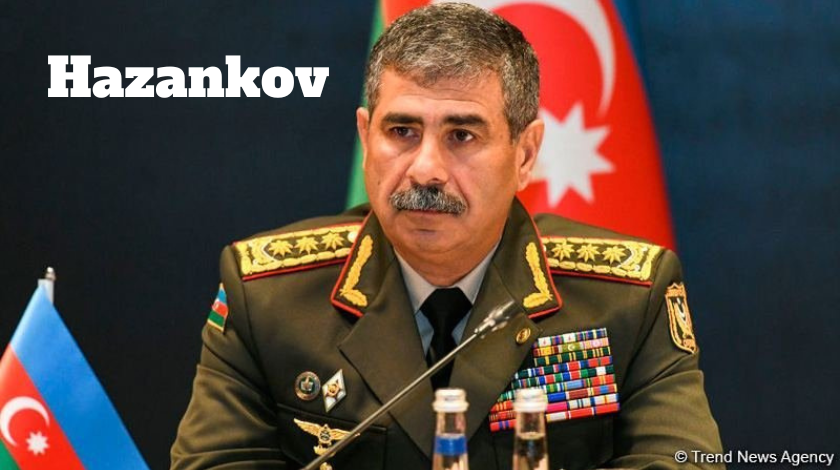

The name Hazankov is an unusual term that attracts curiosity because it does not appear frequently in widely available English-language references. When people encounter a rare name like Hazankov, they often wonder where it came from, what language it belongs to, and whether it carries a historical or cultural meaning. Names are more than simple labels; they are small pieces of history that can reveal migration patterns, family traditions, language influences, and connections between generations. A surname can act like a time capsule, preserving clues about communities and ancestors who lived hundreds of years ago.
Researching uncommon names can be challenging because spelling variations, regional languages, and historical records often create multiple possibilities. The exact origin of Hazankov is not clearly documented in major public references, but similar naming patterns suggest possible connections with Eastern European surname traditions, particularly those using Slavic-style endings such as “-kov” or “-ov.” These endings commonly appear in surnames across countries including Russia, Bulgaria, Ukraine, Serbia, and other Slavic-speaking regions. Surnames with these endings often developed from personal names, occupations, locations, or family relationships.
Understanding a rare name requires looking beyond a single definition. Instead of searching only for a direct translation, researchers often examine linguistic patterns, historical documents, geographic distribution, and related surnames. Hazankov may represent a family name, a variation of another surname, or a transliteration from a different alphabet. This article explores the possible meanings, history, and cultural significance behind Hazankov while explaining how people can investigate rare surnames using modern genealogy tools.
Understanding the Term Hazankov
Why the Meaning of Hazankov Is Difficult to Trace
Rare surnames often present a unique research challenge because they may have changed over time. Before modern governments standardized spelling systems, names were frequently written according to local pronunciation. A family name recorded in one country might appear differently after migration to another country because officials adapted spelling to a new language or alphabet. For example, a surname written in Cyrillic could receive several different Latin spellings when translated into English documents.
Hazankov appears to follow a structure commonly associated with Eastern European surnames. The ending “-kov” is particularly important because it often indicates a relationship or belonging. In many Slavic languages, surname endings developed from words meaning “son of,” “descendant of,” or “belonging to.” This means a surname ending in “-kov” may historically have referred to a person connected with an ancestor, occupation, nickname, or given name.
However, without verified historical records specifically connecting Hazankov to a particular region or family line, it would be inaccurate to claim one definite origin. Surname research often involves examining evidence rather than assigning a single explanation. The same spelling pattern may appear independently in different places, and similar-looking names may have completely different histories.
The uncertainty surrounding Hazankov is also what makes it interesting. Rare names often encourage deeper exploration because they invite questions: Who first used this name? Where did that family live? Did the spelling change during migration? What stories are hidden behind the letters? These questions are the foundation of genealogy and historical research.
Similar Names and Possible Variations
When investigating Hazankov, researchers often compare it with related surnames that share similar structures. Eastern European surnames frequently have variations caused by language differences, pronunciation changes, and immigration records. A family name may appear with slightly different spellings depending on whether it was recorded by Russian, Bulgarian, Ukrainian, German, or English-speaking officials.
Examples of related naming patterns include surnames ending in -kov, -kin, -ov, and -ev. These endings appear throughout Slavic naming traditions and are often connected to family relationships or ancestral names. The surname Zankov, for example, is documented as an Eastern European surname with Slavic-style construction and variations connected to regional naming traditions.
Possible variations of Hazankov might result from:
- Different alphabet translations
- Regional pronunciation differences
- Historical spelling changes
- Immigration documentation practices
- Family choices over generations
For anyone researching Hazankov, checking alternative spellings is one of the most important steps. Searching only one spelling can cause researchers to miss valuable records. Birth certificates, immigration documents, military files, and census records may contain different versions of the same family name.
The Historical Background of Hazankov
Eastern European Naming Traditions
To understand a surname like Hazankov, it helps to understand how surnames developed historically. In many European societies, people originally used only first names. As communities grew larger, additional identifiers became necessary. A person might be identified by their occupation, birthplace, father’s name, appearance, or social role.
Over time, these identifiers became permanent family names. A person’s nickname could eventually become a hereditary surname passed down through generations. In Slavic regions, many surnames developed through patronymic traditions, where descendants carried names connected to an ancestor.
The widespread use of endings such as -ov, -ev, and -kov reflects this historical development. These suffixes became common ways to indicate family connections. A surname could communicate lineage in a single word, linking an individual to their ancestors.
This naming system created thousands of unique surnames across Eastern Europe. Some became extremely common, while others remained rare and limited to specific communities. Rare names like Hazankov may preserve evidence of smaller family groups whose histories were never widely recorded.
The Role of Surnames in Cultural Identity
A surname represents more than ancestry; it can also represent belonging. Throughout history, names have connected individuals to villages, regions, languages, and cultural traditions. For immigrant families, maintaining a surname often became a way to preserve identity after moving to another country.
Many families changed their names intentionally after migration. Some simplified spellings to make pronunciation easier, while others modified names because government officials recorded them incorrectly. As a result, modern descendants may find multiple versions of their family name across historical records.
A surname like Hazankov can therefore provide a starting point for exploring family history. It may lead researchers toward questions about geography, migration, and cultural connections. Even when complete answers are unavailable, the research process itself helps preserve family stories that might otherwise disappear.
Possible Linguistic Origins of Hazankov
Slavic Influences
The strongest visible feature of Hazankov is its ending. The suffix “-kov” is widely recognized in Slavic surname traditions. It appears in many countries and languages, although pronunciation and meaning can vary. In general, such endings developed from relationships between people, often indicating association with a family or ancestor.
The first part of the name, “Hazan,” is more difficult to interpret because similar sounds can appear across different languages. It may be connected to a personal name, nickname, occupation, or another linguistic source. Some related names contain roots connected with religious or cultural terms, while others developed independently.
Historical linguists usually avoid making conclusions based only on appearance. A name that looks similar in two languages does not always share the same origin. Proper research requires comparing historical documents, regional usage, and family records.
Connections With Regional Family Names
Across Eastern Europe and neighboring regions, surname patterns frequently overlap. Families living in nearby areas often influenced each other’s languages and naming traditions. Trade, migration, political changes, and historical events all contributed to the movement of names across borders.
A surname such as Hazankov could potentially reflect influences from multiple regions rather than a single modern country. Historical borders changed repeatedly, meaning a family identified today with one nation may have lived under different governments in previous centuries.
This is why genealogy researchers often focus on locations rather than modern national boundaries alone. A village, province, or historical region may provide more accurate clues about a surname’s development.
Hazankov as a Family Name
How Surnames Developed Across Generations
Family names like Hazankov represent the long process through which communities created systems for identifying individuals and preserving family connections. Centuries ago, most people were recognized by a single given name. In a small village, that system worked well because everyone knew each other. However, as populations increased, trade expanded, and governments created more detailed records, additional identifiers became necessary. A person might be known as someone’s son, a resident of a particular place, a craftsman, a farmer, or a person with a distinctive characteristic. Over time, these descriptions transformed into permanent surnames.
The development of surnames varied greatly from one region to another. In many Slavic-speaking areas, family names developed through patronymic traditions, where a child’s surname reflected an ancestor’s name or family connection. The ending “-kov” often appears in this type of naming system and can indicate a relationship with an earlier family member. This pattern is similar to how many cultures developed surnames meaning “son of” or “descendant of.” These naming traditions created a connection between generations, allowing descendants to carry a piece of their ancestry forward even after moving away from their original communities.
A surname’s journey does not end when it becomes established. Names continue to evolve as families move, languages change, and societies transform. A Hazankov family living in one region centuries ago may have experienced political changes, economic shifts, or migration that influenced how the name was written and pronounced. Understanding this process helps explain why researching rare surnames requires patience and attention to historical details. A surname is not just a word; it is a record of human movement, adaptation, and survival.
Migration and Name Changes
Migration has played one of the biggest roles in changing family names throughout history. Millions of people have moved across borders because of economic opportunities, conflicts, education, marriage, or political circumstances. Each movement created opportunities for names to be modified. A surname that was easy to pronounce in one language might become difficult in another, leading families or officials to adjust the spelling.
For families connected with names like Hazankov, migration records can be especially valuable. Passenger lists, immigration documents, census records, and naturalization papers often reveal how a surname changed over time. One generation may appear under one spelling, while later generations may use another version. These differences do not necessarily indicate unrelated families; they often reflect the practical challenges of recording foreign names in new environments.
Historical events also influenced surname changes. Wars, changing borders, and government policies sometimes forced people to adapt their identities. In some cases, families shortened names, translated them, or altered spelling to integrate into a new society. Other families preserved the original form as a way to maintain cultural heritage.
Modern technology has made it easier than ever to investigate these changes. Digital archives, genealogy websites, and international databases allow researchers to compare records from different periods and locations. Someone researching Hazankov today may discover that the story of the name extends beyond a single spelling or country. Instead, it may represent a wider journey through languages, communities, and generations.
Researching the Hazankov Name Today
Genealogy and Historical Records
For anyone interested in discovering more about the Hazankov surname, genealogy research is the most reliable approach. Rather than relying only on online name meanings, researchers can build a family history by examining original documents. These records provide evidence about where individuals lived, when families moved, and how names were recorded.
Important sources for surname research include:
- Birth and baptism records
- Marriage certificates
- Death records
- Immigration documents
- Census information
- Military records
- Land ownership documents
- Church archives
Church records are particularly valuable in Eastern European genealogy because many communities maintained detailed information long before modern civil registration systems existed. Baptism and marriage records may include names of parents, occupations, villages, and other details that help connect generations.
Researchers should also remember that spelling consistency is a relatively modern concept. A person’s name could appear differently depending on who wrote it down. A local priest, government clerk, or immigration officer might record the same surname in different ways. When searching for Hazankov ancestors, exploring similar spellings increases the chance of finding important historical connections.
Another useful method is studying geographic distribution. If records show that people with similar surnames lived in a particular region, researchers can investigate local history, languages, and migration patterns. Geography often provides clues that cannot be discovered through names alone.
Digital Resources for Family Research
The internet has transformed genealogy research by making historical information available to people around the world. Websites dedicated to family history allow users to search millions of records, create family trees, and connect with distant relatives who may share information.
Popular genealogy resources include:
- Online historical record databases
- Digital newspaper archives
- Government genealogy portals
- DNA ancestry services
- Regional history collections
DNA testing has also become an increasingly popular tool for people researching rare surnames. While DNA results do not directly explain the meaning of a surname, they can help identify genetic connections between families and provide clues about ancestral regions. When combined with historical documents, DNA research can create a more complete picture of family origins.
However, researchers should approach online information carefully. Not every surname website provides accurate historical explanations, and similar names do not always share the same origin. Reliable genealogy depends on comparing multiple sources and confirming information through documented evidence.
For a rare surname like Hazankov, even a small discovery can be significant. Finding one old document, one village record, or one family connection may open the door to an entire history that was previously unknown.
Cultural Importance of Rare Surnames
Preserving Family Heritage
Rare surnames carry a special cultural value because they often represent unique family histories. Common surnames may belong to thousands or millions of people, but uncommon names can preserve specific stories connected to smaller communities. Each generation has the opportunity to protect and pass on these stories.
Preserving a surname does not only mean maintaining the spelling. It means understanding the people behind the name—their experiences, challenges, traditions, and achievements. Family history connects individuals to previous generations and provides a sense of continuity.
In many cultures, names are closely connected with identity. A surname can represent family pride, cultural background, and personal history. Even when the exact meaning of a rare surname is uncertain, the search for its origins can bring families closer together.
Modern families often use technology to preserve their heritage. They create digital family trees, scan old photographs, record interviews with older relatives, and store historical documents. These efforts ensure that future generations have access to stories that might otherwise be forgotten.
Understanding Personal Identity Through Names
Names influence how people understand themselves and their connection to the past. A surname can encourage curiosity about ancestry, language, and cultural traditions. For many people, researching a family name becomes a journey of discovery rather than simply a search for information.
A name like Hazankov raises important questions about heritage. Where did the first person with this name live? What language did they speak? What challenges did their descendants overcome? These questions remind us that every surname represents real human experiences.
The study of names, known as onomastics, explores how names develop and change across societies. Researchers in this field examine linguistic patterns, historical documents, and cultural traditions to understand how names reflect human history. Rare surnames provide valuable examples because they often preserve unusual linguistic features or regional connections.
Understanding a surname does not require finding a famous ancestor or a dramatic historical event. Sometimes the most meaningful discoveries come from ordinary stories: a family that worked the land, built a community, migrated to a new country, or maintained traditions through difficult times.
Conclusion
The surname Hazankov represents the fascinating complexity of family names and the stories hidden behind them. Although the exact origin and meaning of the name remain difficult to confirm without specific family records, its structure reflects naming traditions commonly found in Eastern Europe. The “-kov” ending suggests possible connections with Slavic surname patterns, while the full history of the name likely depends on the experiences of individual families who carried it across generations.
Researching a rare surname requires curiosity, patience, and careful attention to evidence. Names change as people migrate, languages evolve, and societies transform. A spelling found in a modern database may only represent one chapter in a much longer story. By exploring historical records, genealogy resources, and family memories, researchers can uncover valuable connections that bring the past into the present.
Every surname has a story. Some are famous and widely documented, while others remain quiet reminders of ordinary people whose lives shaped future generations. Hazankov belongs to the second category a name that encourages exploration, preservation, and appreciation for the personal histories carried through family traditions.
Common Questions About Hazankov
Is Hazankov a common surname?
Hazankov appears to be a relatively uncommon surname, especially in English-language databases. Rare surnames can be difficult to trace because fewer historical records may exist and spelling variations may be more common.
What does the ending “-kov” mean in Hazankov?
The ending “-kov” is commonly found in Slavic surnames. It often relates to family connections or ancestry, though the exact meaning depends on the language and historical context where the surname developed.
Where does the Hazankov surname come from?
The exact origin of Hazankov is not clearly documented in widely available sources. Its structure suggests possible Eastern European or Slavic influences, but confirmed ancestry requires family records and historical research.
How can I research my Hazankov family history?
The best approach is to collect family documents, search genealogy databases, review immigration records, and investigate historical archives. Exploring spelling variations can also help locate older records.
Can DNA testing help with Hazankov ancestry?
DNA testing can provide clues about ancestral regions and possible relatives, but it works best when combined with traditional genealogy research such as birth records, census documents, and family histories.